Image hover effect image
land consumption in Lombardy

Tectu

Regenerative property development

Human societies have built a lot over the millennia, modifying territories and landscapes. Regenerating degraded buildings, bringing them back into community use, makes it possible to reclaim space without consuming new soil and significantly reducing climate-altering gas emissions.

Constructing buildings impacts:

On the territory

Building on virgin land consumes soil, seals it, takes it away from the natural water regime

On climate

Construction activity releases huge amounts of Co2 into the atmosphere: production of “baked” materials, mining, low-tech construction machinery

On the environment

The use of traditional buildings is a major direct contributor to climate-altering gas emissions
LAND CONSUMPTION

By regenerating on land already occupied by degraded and out-of-use buildings, TECTU reclaims space for use without consuming new soil and preserving the fragile hydro-geological balance.

Image hover effect image
cementing desertifies
CO2 INPUT
Preserving the existing materiality reduces the use of “new” materials and the consequent input of Co2. By regenerating the existing TECTU keeps the C02 incorporated in the old construction segregated and drastically reduces the C02 emitted through traditional demolition-reconstruction activities.
Image hover effect image
CO2 entered
ENERGY COST OF USE

The installation of high-technology systems, the use of materials and components that are as regenerated and regenerable as possible, technological choices towards low-emission components, and design carefully oriented towards harnessing the energies present in nature make it possible to create high-performance and comfortable buildings.
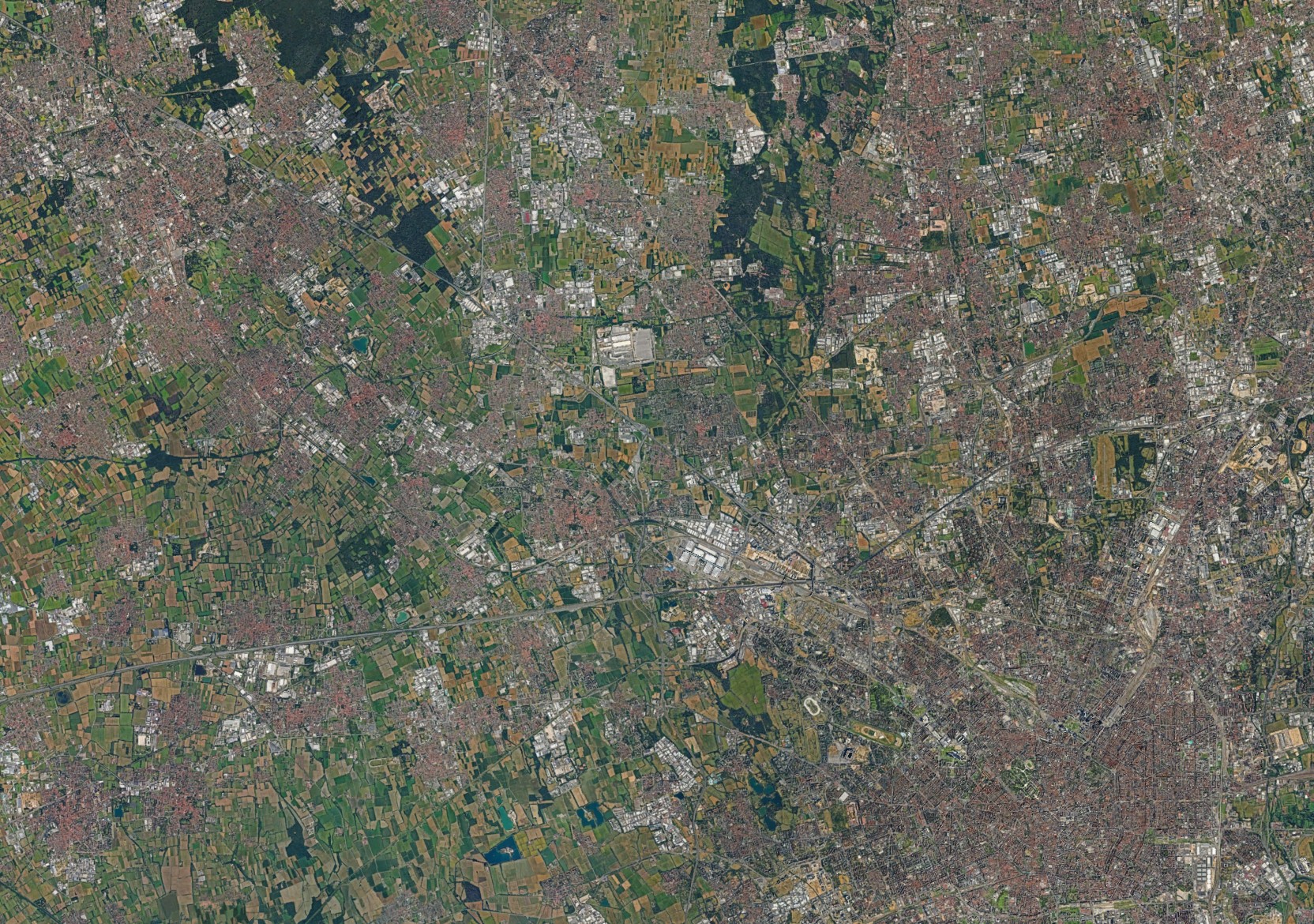
Image hover effect image
cost energy of use